The Role of a CTO
In this article, we will delve into the multifaceted responsibilities of a CTO, explore their strategic significance, and understand how they contribute to the growth and development of a company.
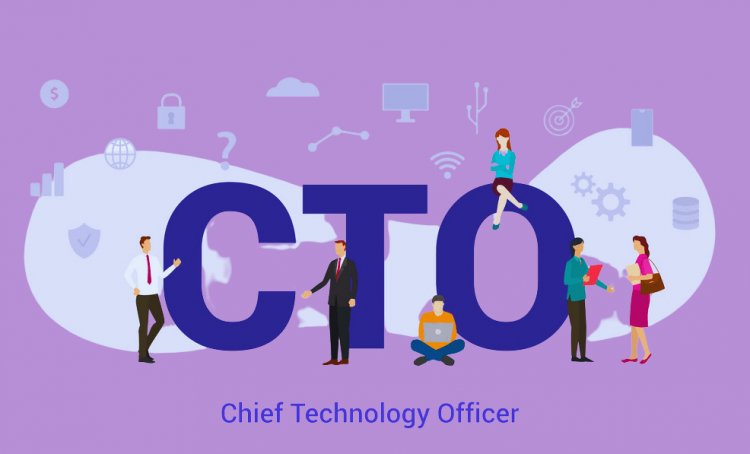
Guiding Innovation and Driving Technological
Excellence:
In today's fast-paced digital era, businesses are constantly striving to stay ahead of the competition by leveraging cutting-edge technology and embracing innovation. At the heart of this technological revolution lies the Chief Technology Officer (CTO), a vital role responsible for shaping an organization's technological landscape and driving its success. In this article, we will delve into the multifaceted responsibilities of it, explore their strategic significance, and understand how they contribute to the growth and development of a company.
-
The CTO's Role in Strategy and Innovation:
As a senior executive, it plays a pivotal role in formulating and executing an organization's technology strategy. They work closely with other key stakeholders, including the CEO and executive team, to align technology initiatives with the overall business objectives. By understanding the market landscape and identifying emerging trends, it can identify opportunities for innovation and guide the organization toward sustainable growth.
One of the primary responsibilities of it is to drive innovation within the company. They foster a culture of creativity and encourage employees to think outside the box. By staying updated on the latest advancements in technology, it can identify potentially disruptive technologies or digital transformations that can provide a competitive edge. They collaborate with research and development teams to explore new possibilities, evaluate potential risks, and make informed decisions on technology investments.
-
Technical Leadership and Expertise:
It is the technical leader of an organization, possessing a deep understanding of technology trends, frameworks, and best practices. They are responsible for evaluating and selecting the most suitable technologies and platforms that align with the company's goals. Its expertise extends beyond knowledge of specific tools and technologies; they have a holistic understanding of how different components fit together to form a robust technological ecosystem.

Furthermore, a CTO is instrumental in establishing and maintaining technical standards, ensuring that the organization adheres to industry regulations and compliance requirements. They drive the development of scalable and secure systems, emphasizing data privacy and cybersecurity.
In addition to internal technical leadership, it often represents the organization in external forums and industry events, sharing insights, and contributing to thought leadership. They build relationships with technology partners, collaborate with other industry leaders, and stay abreast of emerging technologies, enabling the company to remain at the forefront of innovation.
-
Team Management and Collaboration:
It is responsible for building and leading high-performing technology teams. They recruit top talent, provide mentorship, and create an environment that fosters collaboration and continuous learning. Empowering their team members and promoting professional development, It ensures a motivated workforce capable of delivering exceptional results.
Collaboration is a vital aspect of a CTO's role, as they work closely with other departments such as marketing, operations, and finance. By understanding the unique needs and challenges of different teams, I can identify opportunities for technology-driven solutions that enhance efficiency and drive business growth. Effective communication and the ability to translate complex technical concepts into easily understandable terms are essential skills for it effectively collaborates with non-technical stakeholders.
Conclusion :
The role of a Chief Technology Officer (CTO) is pivotal in today's technology-driven business landscape. Combining strategic vision, technical expertise, and leadership skills, it guides organizations toward innovation, facilitates digital transformations, and drives sustainable growth. They play a crucial role in shaping an organization's technological landscape, ensuring the adoption of cutting-edge technologies, and fostering a culture of innovation.
As businesses continue to navigate the challenges and opportunities presented by technological advancements, the importance of a CTO cannot be overstated. With their holistic understanding of technology trends, their ability to align technology strategies with business goals, and their talent for building and leading high-performing teams, it is instrumental in driving organizational success.
In conclusion, Organizations that recognize the strategic significance of it and empower them to fulfill their roles effectively are better positioned to thrive in an increasingly competitive and digital world. By embracing the transformative power of technology, under the guidance of a skilled CTO, businesses can unlock new possibilities and drive innovation that propels them towards long-term success.