Revolutionary Advances in New Battery Technology
We will explore the latest breakthroughs in battery technology and how they are poised to revolutionize energy storage, transportation, and even personal electronics.
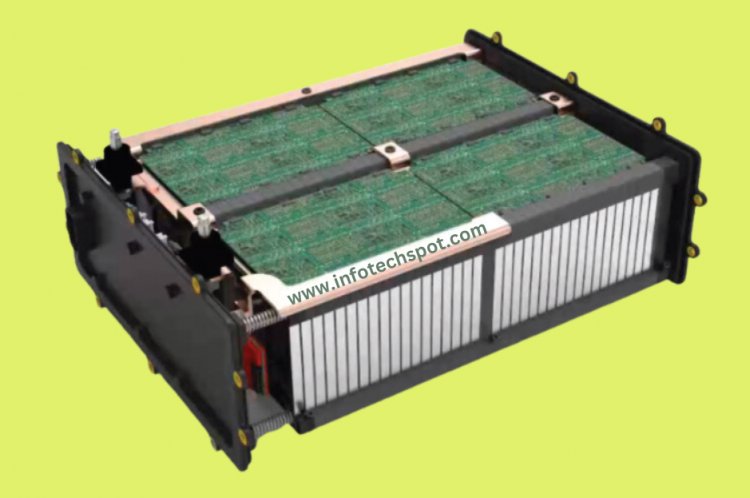
Powering the Future:
The world of energy storage has undergone a remarkable transformation in recent years, driven by the urgent need for sustainable and efficient power solutions. With the advent of new battery technologies, we find ourselves on the cusp of a renewable energy revolution that promises to shape the future of various industries. In this article, we will explore the latest breakthroughs in battery technology and how they are poised to revolutionize energy storage, transportation, and even personal electronics.
- Solid-State Batteries: Unlocking the Future of Energy Storage: One of the most promising developments in battery technology is the emergence of solid-state batteries. Unlike conventional lithium-ion batteries, solid-state batteries utilize solid electrolytes instead of liquid ones, offering numerous advantages. Solid-state batteries have the potential to significantly increase energy density, provide faster charging times, enhance safety, and offer a longer lifespan. Researchers are diligently working to overcome challenges such as cost reduction and improving scalability for large-scale adoption. Once commercialized, solid-state batteries could revolutionize the electric vehicle industry, transform the renewable energy landscape, and revolutionize personal electronics.
- Sodium-Ion Batteries: A Cost-Effective Alternative: While lithium-ion batteries have dominated the energy storage market, sodium-ion batteries have emerged as a promising alternative. Sodium, being a more abundant and cost-effective resource compared to lithium, makes sodium-ion batteries an attractive option for large-scale energy storage applications. Researchers have made significant progress in improving the efficiency, capacity, and lifespan of sodium-ion batteries. These batteries have the potential to find applications in renewable energy storage, grid-level energy management, and even electric vehicles. However, challenges such as lower energy density and cycle life compared to lithium-ion batteries need to be addressed for widespread adoption.
- Flow Batteries: Enabling Renewable Energy Integration: Flow batteries offer a unique approach to energy storage by separating energy and power. They store energy in liquid electrolytes contained in external tanks, allowing for independent scaling of energy and power capacity. This flexibility makes flow batteries particularly suitable for large-scale renewable energy integration, grid stabilization, and energy storage applications. Moreover, flow batteries exhibit long cycle life and have the potential for cost reduction through the use of abundant and non-toxic materials. While flow batteries have yet to achieve the energy density of conventional lithium-ion batteries, ongoing research and development efforts aim to improve their performance and commercial viability.
- Lithium-Air Batteries: Unleashing the Ultimate Energy Density: Lithium-air batteries represent an exciting frontier in energy storage technology. These batteries have the potential to offer unparalleled energy density, several times higher than conventional lithium-ion batteries. Lithium-air batteries use oxygen from the surrounding air as the cathode, making them lightweight and highly efficient. However, numerous technical challenges such as oxygen crossover and electrode stability need to be overcome before commercialization. Once successfully developed, lithium-air batteries could revolutionize electric transportation, extend the range of electric vehicles, and enable new applications in aerospace and portable electronics.
Conclusion:
New battery technologies hold immense promise for a sustainable future. Solid-state batteries, sodium-ion batteries, flow batteries, and lithium-air batteries are just a glimpse into the transformative potential of energy storage. These innovations offer higher energy density, improved safety, faster charging, and longer lifespan, thereby paving the way for cleaner transportation, efficient renewable energy integration, and more advanced personal electronics. Continued research, development, and commercialization efforts are crucial to overcoming existing challenges and driving the adoption of these technologies. As we embrace these new battery technologies, we embark on a path toward a greener and more electrified future, where reliable and sustainable power is at our fingertips.